

In our October post, we explained why some Google results pages collected through automated requests – by any SERP data provider, including us – quietly return the wrong organic results. We called them poisoned SERPs, and we promised to let you know the moment we had a working solution.
This is that update. The Google Organic SERP API now supports an optional parameter, resolve_poisoned_results, that adds a verification step to every task. The first page of your results is checked against a trusted reference; if it looks poisoned, the affected organic results are replaced with verified ones, and the rest of the task switches to the verified source before anything reaches your reports. Your existing integration keeps working as is, and every repaired result is clearly marked.
Here’s a quick recap of the problem, the idea that made the fix possible, and exactly how the parameter works.
Quick recap: the problem hasn’t gone away
A poisoned SERP is a complete results page that keeps its normal structure and set of extra features but swaps out most of the organic results for unrelated ones. Nothing on the page signals that anything is wrong: the results are real, often loosely related to the query, and laid out like any other SERP. They just don’t match what a real user sees for the same search.
When we wrote about this in October, the phenomenon affected a substantial share of automated requests industry-wide. On our side, by our CTO’s estimate, poisoned pages accounted for roughly 20–30% of scraped results starting September 26. Google has been serving noticeably fewer of them since October 10, but the share has never dropped to zero – so for anyone collecting rankings automatically, “waiting it out” still means occasionally storing wrong data.
We also explained why there was no instant fix. The only reliable way to recognize a poisoned page is to compare it with what a real user sees. Validation built on retries and ranking history still left 2–3% of results pages poisoned at our volumes, along with the added cost to every request.
The insight: let Google’s Web filter verify Google
The breakthrough came from a feature Google built for users, not for data collection.
As part of its AI-driven redesign of search results, Google introduced a “Web” filter – a view of the same search that strips out the advanced elements and shows only text-based links. It’s the mode people switch to when they want only the links, and it has a property that matters enormously for data collection: in our testing, it doesn’t return poisoned results.
That gave us a reference, which is something we didn’t have before. A poisoned page can look perfectly plausible on its own, but it can’t survive a side-by-side comparison with a second, independent view of the same search. If the Web version of a query shows one set of organic results and a regular request returns a very different set, one of them is wrong. Evidently, it isn’t the Web page.
So we built the comparison into the API itself by introducing the resolve_poisoned_results parameter.
How resolve_poisoned_results works
Setting a task looks exactly like it always did, with one extra line:
POST https://api.dataforseo.com/v3/serp/google/organic/task_post
[
    {
        "keyword": "best rank tracking tool 2026",
        "location_code": 2840,
        "language_code": "en",
        "resolve_poisoned_results": true
    }
]
Behind the scenes, the first page of every task with the parameter enabled goes through this check:
- We collect the first results page as usual. Same parameters, same behavior, same priorities.
- One extra request fetches the Web version of the same search.
- The organic results of the two pages are compared.
- If the page is clean, it’s returned exactly as collected. Nothing is changed and nothing is marked – the data is identical to what you’d have received if poisoned SERPs were never introduced.
- If the page looks poisoned, the affected organic results are replaced with their verified counterparts from the Web version. If the Web page has more organic results than the poisoned one, the extra listings are appended. Only organic results are touched: every other element, from AI Overviews to paid results, is returned exactly as collected.
- Repaired and added results are marked with
from_webin the item’s checks array, so you can always see exactly which positions were restored.
In the trimmed-down response, a restored result looks like this:
{
    "type": "organic",
    "rank_group": 1,
    "rank_absolute": 1,
    "domain": "example.com",
    "title": "The page's title in SERP",
    "url": "https://example.com/",
    "checks": ["from_web"]
}
The fix carries through the rest of the task: if the first page was fixed, the following pages are collected from the Web version as well, so positions stay consistent across the whole task, not just page one. HTML responses are repaired the same way as JSON, meaning the stored page is rebuilt from the verified results, so both formats always match.
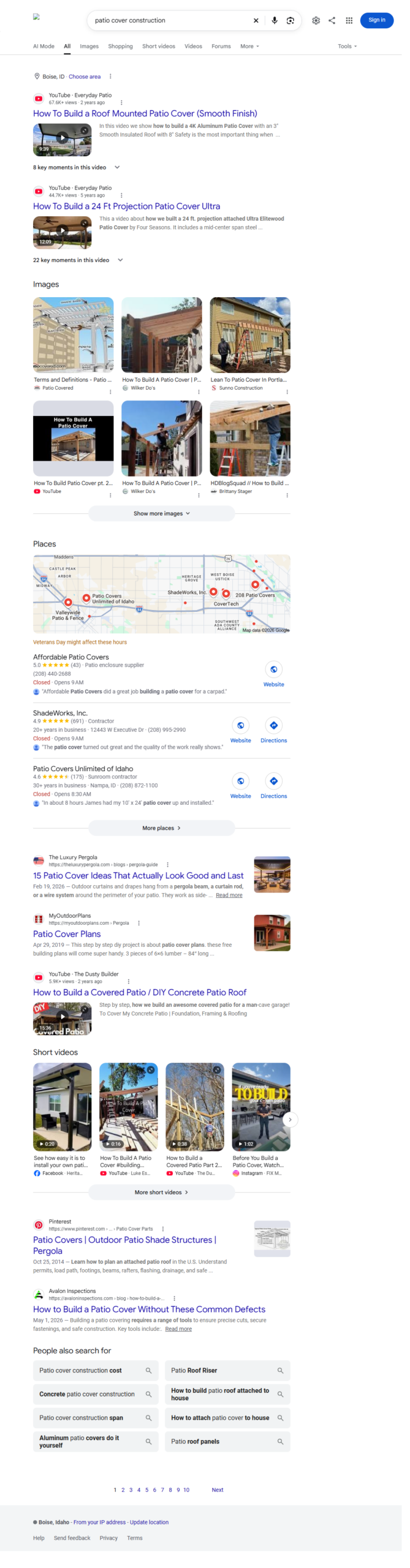
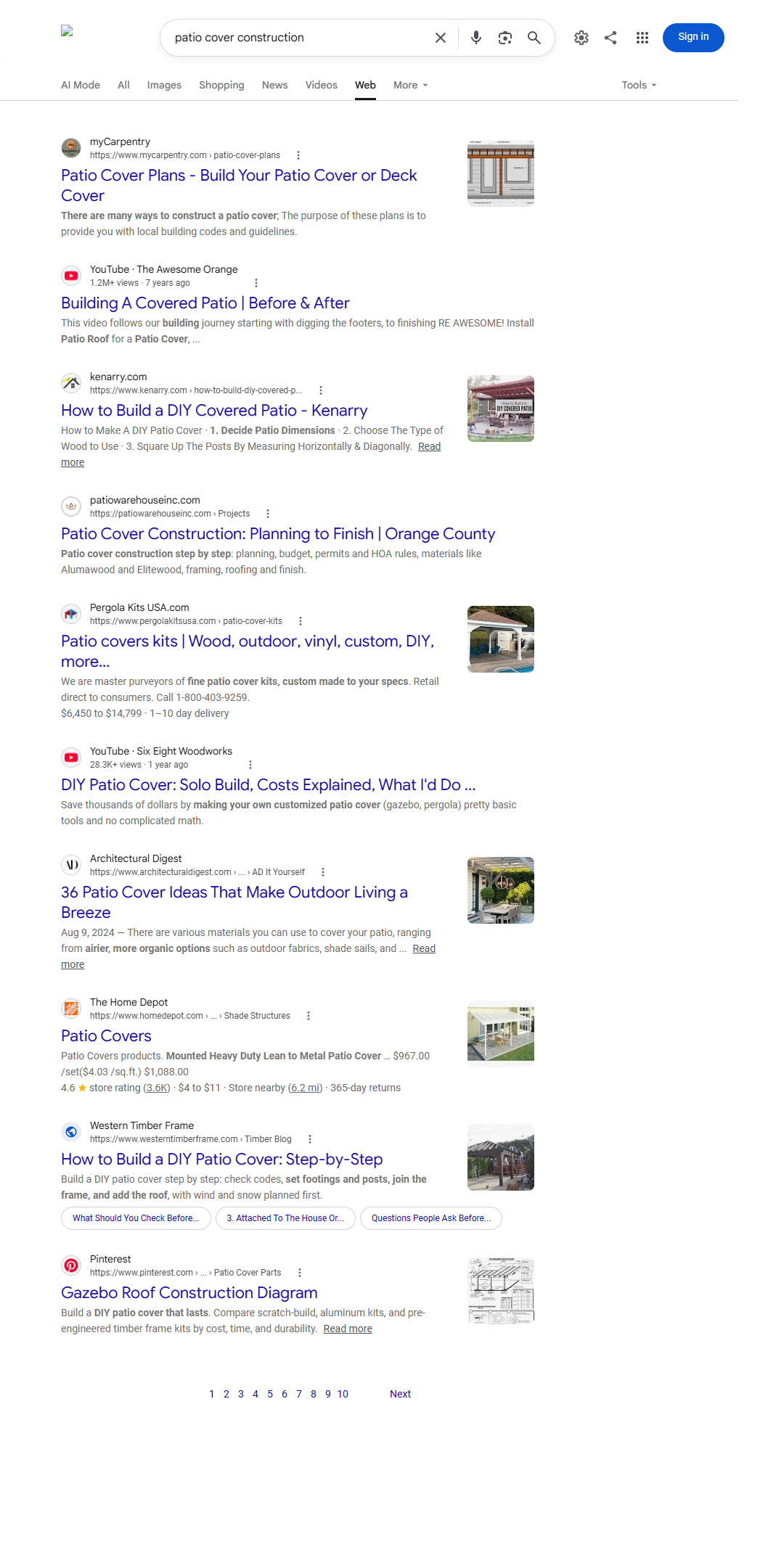
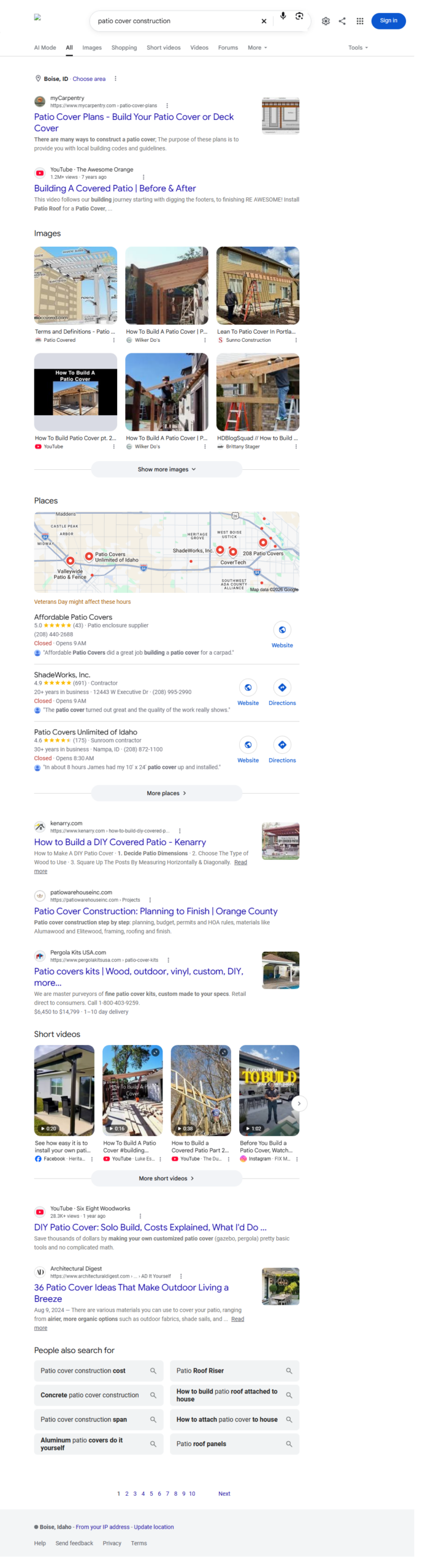
The same query, three ways: 1 – the poisoned SERP returned by a regular request, 2 – the Web version of the same search, and 3 – the repaired page with fixed organic results.
Where it works and what it costs
The parameter is available now in the Google Organic SERP API: in both the Standard and Live methods, for desktop and mobile, and for JSON as well as HTML results. It’s optional and off by default.
Pricing reflects the extra work: with resolve_poisoned_results set to true, the cost of the task increases by the price of one SERP page. The surcharge is fixed – it doesn’t grow with the depth of the task and applies to every task with the option enabled, including those that turn out to be clean, because the verification page is collected for each one. You can estimate the exact cost on the pricing page.
However, you should note that the parameter can’t be combined with udm=web or udm=14 in the url or search_param fields. Those settings already return Web results, so there’s nothing to verify against.
When to switch it on
Turn it on wherever a single poisoned page does lasting damage. The clearest case is rank tracking and SERP monitoring: one bad day doesn’t just distort a daily report, but enters position history, drags down averages, and can trigger false alerts for keywords that never moved. For the price of one extra SERP page per task, the parameter protects the organic core of your data from exactly that.
For one-off research, bulk historical pulls, or any workload where a rare off page is acceptable, the default behavior remains the economical choice. The option is strictly opt-in and changes nothing for existing integrations.
What the parameter can’t do is repair the past. Results collected during the worst weeks of the poisoned SERP’s issue (around September 26 through mid-October) are already stored, and verification can’t be applied retroactively. Our reporting advice from the October post still stands for that period: annotate it, treat one-day drops as unconfirmed, spot-check suspicious results with the check_url field, and use Search Console where you need a clean reference.
A note on lifespan: this protection is meant to last as long as the Web search vertical remains unpoisoned. We’re monitoring the phenomenon continuously, and when it fades, we’ll notify you promptly.
What’s next
This doesn’t end the cat-and-mouse game. Google will keep making automated collection harder, and we’ll keep adapting. However, from now on, verifiable organic data no longer depends on luck.
If you track rankings with the Google Organic SERP API, enable resolve_poisoned_results on your next tasks and keep an eye on the checks array: from_web is how we show our work. If anything in your data still looks off, our support team is available 24/7.